You are sitting in your driveway. You are inhaling that intoxicating, pristine scent of a factory-fresh SUV. You feel like you have finally made it in this world. I have been there. I did this in 2019 with a sedan that cost more than my first three apartments combined. (I am still paying for that mistake, both financially and, as it turns out, neurologically.) That smell is not a reward for your hard work. It is a chemical scream. It is a mixture of plastics, glues, and foams finally reaching their breaking point. I thought I was breathing in success. I was actually breathing in a laboratory experiment gone wrong. (My neighbor Bob once told me he loves that smell because it reminds him of his promotion, but Bob also thinks the earth is hollow, so we do not listen to Bob.)
According to the Ecology Center, the average vehicle interior contains over 275 different chemicals. Many of these are Volatile Organic Compounds. VOCs. They reach peak concentrations within the first few months. (I remember my brother-in-law Gary telling me the smell made him feel expensive, which is a classic Gary move.) We are talking about a sealed, glass-and-metal box. It sits in the sun. It bakes a mixture of flame retardants and polyvinyl chloride while our children sit in the back seat. This is not dramatic. It is just the data. It is a slow-motion chemistry set that we pay forty thousand dollars to sit inside. (I am not being dramatic; I am simply looking at the data.) The chemicals involved include things like benzene and formaldehyde, which are generally things you do not want to invite to a dinner party, let alone trap in a small space with your lungs. A 2022 study by researchers at the University of California, Riverside found that the commute time for many drivers is long enough to exceed safe levels of these specific chemicals. This is not just a minor annoyance. It is a fundamental design flaw in the way we manufacture modern comfort.
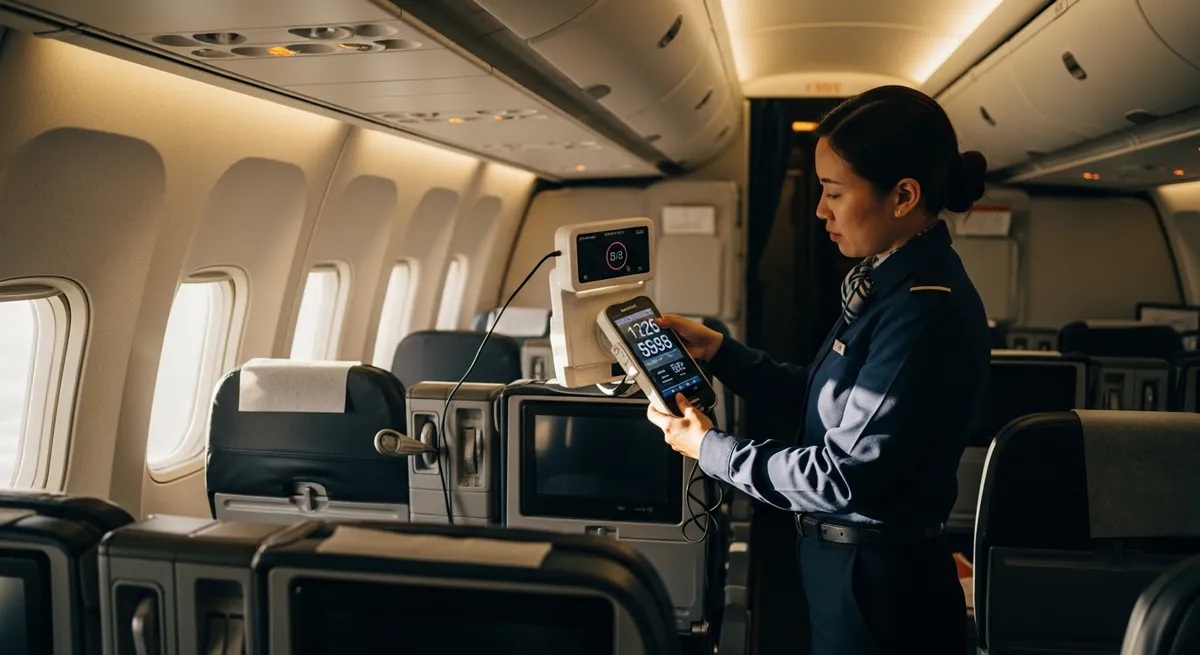
I once spoke to a contractor named Dave who specialized in air quality for high-rise buildings. He told me that he would never sit in a new car without all four windows down for at least the first six months. (Dave is the kind of man who carries a portable air quality monitor to brunch, which makes him a terrible date but a great source of terrifying information.) He explained that the "new car smell" is actually the sound of molecules breaking free from their synthetic bonds. It is the literal evaporation of the materials you just purchased. You are paying for a luxury interior, and then you are breathing the interior until there is less of it left.
Tactics for Navigating the Toxic Cloud in Your Cabin
If you are currently looking at your car with the same suspicion you would reserve for a giant, rolling vat of acid, do not panic just yet. You cannot return the car. (Believe me, I tried, and the dealership manager laughed until he turned a concerning shade of violet.) But you can fight back. Heat is the primary catalyst here. As the temperature inside the cabin rises, the molecular motion within the plastics increases. The chemicals are released at an exponential rate. (It is physics, really, but the kind of physics that gives you a scratchy throat and a strange sense of regret.) This is why a car that has been sitting in a sunny parking lot smells so much stronger than one kept in a garage. It is not "settling in." It is melting. (I once left a box of crayons in my car in July and they became a permanent part of the upholstery, which is a metaphor for my entire life.)
Temperature management is a critical lever you can pull. My sister Sarah - who once tried to cure a cold by wearing garlic socks, so take her advice with a grain of salt - insists on parking in the shade. She is actually right this time. You should use a sunshade. Or park in a garage. If you cannot do those things, use the bake-out method. Leave the car in the sun. Crack the windows. Let the chemicals leave the party early. (It is like a house party that has gone on too long and someone needs to tell the drummer to go home.) I have found that leaving the windows cracked by even half an inch can reduce the interior temperature by twenty degrees, which significantly slows down the chemical release. It is a simple habit, but it is one that most people ignore because they are worried about rain or thieves. Personally, I would rather lose my stereo than my respiratory health, but I have always been eccentric that way.
Also, consider what you are adding to the environment yourself. Many people try to mask the chemical smell with air fresheners. This is like trying to fix a gas leak by lighting a scented candle. It is a terrible idea. (I once used a "Midnight Forest" clip-on that gave me a migraine so powerful I forgot my own social security number for an hour.) A better approach is to use activated charcoal bags. They actually adsorb the odors. They do not just cover them up. It is a small victory, but in a world of industrial emissions, I will take what I can get. (I keep a few of these under the seats of my own vehicle, and while they do not look particularly impressive, they are working silently to clean up the mess left behind by the manufacturing process.) It is a slow, bureaucratic war against an invisible enemy, but it is one that we can win with a little bit of knowledge and a healthy dose of skepticism.
The Future of Breathable Transportation and Why It Is Taking So Long
We are at a strange crossroads in automotive history where cars are becoming incredibly clean on the outside while remaining stubbornly toxic on the inside. Manufacturers are under immense pressure to reduce tailpipe emissions, but the standards for cabin air quality remain largely voluntary or non-existent in many markets. (It is as if the industry decided that as long as we are not killing the polar bears, it is perfectly fine to slightly irritate the humans.) However, there is a glimmer of hope on the horizon. Some leading European manufacturers have begun to transition toward "Oeko-Tex" certified fabrics and low-emission adhesives, recognizing that a luxury experience should not include a respiratory irritant. This is a step in the right direction, but it is not yet the industry standard. (I asked a salesman about this last year and he looked at me as if I had just asked him to explain the inner workings of a particle accelerator.)
As long as we walk into dealerships and praise that "new car smell," the industry will have no incentive to change the way they glue dashboards together. We need to start asking questions about the materials used in the steering wheels we touch and the seats our children sleep on. When I bought my last vehicle, I asked the salesperson about the VOC rating of the interior. He blinked several times and then tried to show me the sunroof again. But the more we ask, the more the message will filter back to the engineers who make these decisions. We have the technology to create safe, durable, and non-toxic interiors; we just have not made it a financial priority yet. In the meantime, we must take ownership of the air we breathe. It is not just about avoiding a pitfall of modern life; it is about recognizing that our environment is a collection of small choices. Every time you choose to roll down the windows, or park in the shade, or swap out a synthetic air freshener for a charcoal bag, you are making a tiny statement about the value of your health.
The chemical composition of vehicle interiors varies. Some manufacturers are better than others. But the reality is that the new car smell is an industrial emission. It is not a perfume. Open your windows. Drive with the air circulating from the outside. (Your hair will look like a bird nest, but your lungs will thank you.) Do not let the scent of status distract you from the fact that you are sitting in a very expensive, very shiny plastic bag. We deserve better than a cabin that is trying to poison us, and eventually, the industry will have to catch up to that reality. Until then, keep your windows cracked and your sunshades up. Trust your nose, but trust the data even more. (I have learned the hard way that the things that smell the best are often the things that are the worst for you, much like the donuts my cardiologist told me to stop eating.)
Frequently Asked Questions
❓ Is the new car smell actually dangerous for my children?That aroma is actually a collection of Volatile Organic Compounds (VOCs) that can reach concentrations inside a vehicle up to ten times higher than outdoor air levels according to the EPA. While a single ride is unlikely to cause permanent damage, chronic exposure to these off-gassing plastics and adhesives is linked to respiratory issues and hormonal disruption. Children are particularly vulnerable because their respiratory systems are still developing and they have a higher rate of breathing relative to their body weight. (It is a bit like how my nephew can eat an entire pizza and not gain a pound, but in a much less fun way.) This means they are inhaling more of these chemicals than an adult would in the same amount of time. It is always a good idea to prioritize ventilation when you have little ones in the back seat, especially in a vehicle that is less than a year old.
❓ How long does it take for a new car to stop off-gassing?This depends on your situation, but most research suggests the heaviest concentration of chemicals dissipates within the first six months of ownership. However, certain materials like brominated flame retardants can persist for years, especially when the cabin is exposed to high heat and direct sunlight. It is a slow process of chemical stabilization that requires active ventilation to manage effectively. Even after that initial six-month period, you may notice the smell return on particularly hot days. This is because the heat re-activates the off-gassing process in the plastics and foams. (It is the gift that keeps on giving, and by gift, I mean an unwanted chemical byproduct.) Think of it as a long-term stabilization rather than a quick fix; the materials are constantly settling into their environment, and they release gases as they do so.
❓ Will an expensive air purifier fix the cabin air quality?Here is the thing about portable car purifiers: they are often overmatched by the sheer volume of off-gassing materials. While a high-quality HEPA and carbon filter can capture some particulates and odors, they cannot fully negate the continuous release of gases from every square inch of your dashboard and seats. The most effective solution remains old-fashioned ventilation and reducing the heat that triggers chemical releases. If you do choose to buy a purifier, make sure it specifically includes a thick layer of activated carbon. Standard HEPA filters are great for dust and pollen, but they do nothing for the gases and vapors that make up the "new car smell." (It is like trying to catch a ghost with a butterfly net.) You need a chemical filter to tackle a chemical problem, and even then, it is merely a supplement to proper airflow.
❓ Are electric vehicles better for cabin air quality?The reality is a bit more nuanced than you might expect. While electric vehicles eliminate tailpipe emissions - which is a massive win for the planet - their interiors are still constructed from the same synthetic polymers, glues, and flame retardants as internal combustion vehicles. In some cases, the increased use of high-tech plastics and adhesives in modern cabins can actually lead to higher VOC levels, regardless of what is under the hood. Some electric vehicle manufacturers are leading the charge in using sustainable and low-emission materials, but it is not a universal rule. You should still treat a new electric vehicle with the same ventilation precautions you would use for a gasoline-powered one. (The absence of an engine does not mean the absence of industrial chemistry in the dashboard.)
❓ Should I avoid leather seats to improve air quality?This is a complex trade-off that often leaves parents scratching their heads. Real leather often involves heavy tanning chemicals and finishes that off-gas, while synthetic "vegan" leathers are frequently composed of Polyvinyl Chloride (PVC) or polyurethane. Both have their own chemical profiles; however, looking for materials certified by independent third parties for low emissions is generally more productive than choosing one material over another based on the name alone. (It is a bit of a "pick your poison" scenario, and I mean that quite literally.) Ultimately, the best approach is to look for manufacturers that prioritize material transparency. Some brands now offer "leather-free" interiors that are specifically designed to be low-VOC and more environmentally friendly. If you are concerned about air quality, ask for the material specifications rather than just assuming one type of upholstery is inherently safer than the other.
References
Disclaimer: This article is for informational purposes only and does not constitute professional medical or environmental safety advice. The chemical composition of vehicle interiors varies significantly between manufacturers and models. Consult a qualified professional or medical doctor before making decisions based on this content, especially if you experience persistent respiratory issues.