The Quiet Crisis in Room 402
My friend Susan is the sort of woman who color-codes her spice rack and tracks her heart rate during yoga. (She is exhausting, but I love her.) Last month, Susan observed a sickly, yellowing bruise upon her mother's wrist that bore the unmistakable, haunting shape of a human handprint. (I am not a forensic investigator, but I have consumed enough crime procedurals to recognize that skin does not simply adopt that hue by coincidence.) My neighbor Bob once tried to tell me a similar mark on his arm was from a low-impact fall, but we both knew he was lying through his teeth. (Bob is a terrible liar; his left eyebrow twitches when he deviates from the truth.)
The grim reality is that mistreatment within care facilities is not a fluke; it is a systemic breakdown that preys upon those who lack the strength to fight back. It is a bureaucratic nightmare that targets the most vulnerable among us. According to the World Health Organization, roughly one in six people aged sixty and older experienced some form of abuse in community settings during the past year. Read that again. One in six. (If one in six people in my wine club were being mistreated, I would be calling for a literal revolution, yet here we are.) That is a figure that should haunt your sleep. (I am not being dramatic; I am being observant.)
The Math of Longevity and Risk
Why are women the primary targets? It is a matter of demographics, biology, and the unfortunate way we socialized an entire generation. Because women generally outlive their male counterparts, the census within long-term care facilities is disproportionately female. (This is not merely a passing observation; it is a demographic certainty that introduces a unique spectrum of hazards.) Research from the National Center on Elder Abuse suggests that women represent a significantly higher percentage of elder abuse victims than men. (It is a statistical tragedy that we rarely discuss at brunch.) Why does this pattern persist? It is not just a consequence of living longer. It is about how that longevity is exploited by those in positions of power.
Many elderly women grew up in a world where they were taught to be "polite" and "cooperative." These traits are lovely at a tea party, but many elderly women grew up in an era where they were conditioned to be "agreeable," a trait that is frequently turned into a weapon by those looking to exploit them. (My Aunt Martha would rather eat a live lizard than cause a "fuss" at the nursing station, which makes her the perfect target for neglect.) We must also acknowledge the stark physical vulnerabilities of the aging process. Women are more likely to suffer from osteoporosis. This makes them physically fragile. Women are more prone to bone density issues and other ailments that render them physically susceptible to injury. (I am not being dramatic. I am being clinical. There is a difference, and it is horrifying.) A grip that would leave a minor mark on a younger person can shatter a bone in an older woman. (It is a terrifying thought that keeps me up after my second glass of Pinot.)
The Empty Chair Problem
The institutional environment itself can be a breeding ground for this behavior. When you have a high turnover of staff and a lack of proper background checks, you are essentially providing an open invitation for trouble to walk through the main entrance. (It is akin to placing a ribeye on the kitchen tiles and acting shocked when the golden retriever considers it a gift.) My cousin Gary worked as an administrator at a facility in the mid-nineties. (He was eventually fired for spending the budget on high-end espresso machines, but that is a different story.) Gary once told me that the ratio of staff to residents was so lopsided that "active supervision" was basically a polite fiction. When staff are overworked and under-supported, the boiling point of frustration is reached quickly. (I have seen Gary under pressure, and it is not a pretty sight.)
The solution is not more paperwork. (God knows we have enough of that.) The solution is accountability. We often harbor the assumption that these homes are sanctuaries of safety simply because they charge a monthly rate that rivals the mortgage of a small mansion. (I checked the prices recently, and I nearly choked on my cracker.) We need to stop treating these facilities like warehouses for humans and start treating them like the high-stakes environments they are. If we do not protect the women who raised us, then what exactly are we doing here? (I am genuinely asking.)
Identifying the Unspoken Signs
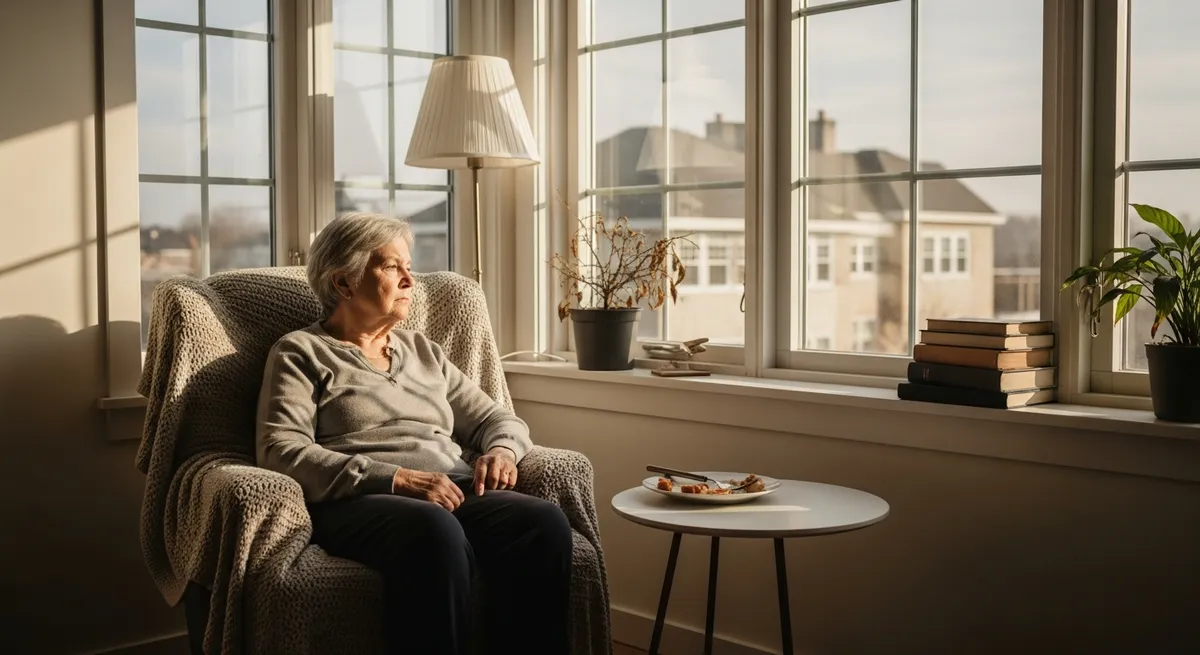
Pinpointing abuse is seldom as straightforward as discovering a smoking gun in a library. (I wish it were that simple, but the world is rarely that kind.) It is more akin to solving a complex puzzle where several pieces have been deliberately shoved under the rug. Physical abuse is the most visible, but neglect and psychological torment are far more common. (Neglect is the quiet predator that no one hears coming.) Have you observed a sudden shift in the temperament of your loved one? (I am talking about the kind of change that makes your stomach sink.) If a woman who was once full of life becomes quiet or begins to cower at unexpected sounds, that is not a natural part of the aging process. (That is a warning sign the size of a highway billboard.)
Neglect is the silent cousin of abuse, and it is equally deadly. This category of harm encompasses everything from the withholding of vital medication to a complete failure in maintaining basic hygiene. (It is not rocket science; it is the fundamental duty of care, yet it is often treated as an optional upgrade in these institutions.) A 2023 report from the Elder Justice Initiative found that neglect accounts for a massive portion of reported facility complaints. (That report is a depressing read, let me tell you.) If you walk into a room and it smells like a locker room that has not been cleaned since 1994, that is a problem. If your mother has unexplained weight loss or signs of dehydration, someone is not doing their job. (I once found a half-eaten sandwich in a facility that looked like it belonged in a museum.)
The Hidden Toll of Financial Exploitation
We cannot ignore the money. (Money is usually at the root of most evils, is it not?) Financial fraud is a rampant issue that often goes unnoticed until the bank account is empty. (I have a friend whose mother "gifted" her diamond wedding ring to a caregiver she had known for exactly twenty-one days.) This is not an act of charity; it is a deceptive practice that robs the elderly of their autonomy and their legacy. (It makes my blood boil just thinking about it.) You must be the persistent individual who scrutinizes every line of the financial statements. (I am that person at the bank, and the tellers definitely recognize my voice.)
Be the person who asks where the missing jewelry went. If you are not perceived as a bit of a nuisance, you are likely not being vigilant enough. (I have made a career out of being a nuisance, and let me tell you, it is remarkably effective for getting results.) Financial fraud involves missing property, altered wills, and unauthorized withdrawals that can vanish in an instant. (It is a significant risk, specifically for women who are targeted due to their statistical longevity.) The burden of proof should not rest on the shoulders of a person suffering from cognitive decline; it must rest on the family and the state regulators. (That is a hill I am willing to die on.)
The Bureaucratic Wall
But wait, do not expect the regulatory bodies to be your knights in shining armor. (I have dealt with city hall enough to know that armor is usually made of cardboard.) Many state agencies are overwhelmed and understaffed, meaning a report might sit on a dusty desk for weeks while the abuse continues. (Bureaucracy is where good intentions go to die, usually in a beige cubicle under a stack of forms.) We have to be our own advocates because the system is designed to move at the speed of a glacier. (A very slow, disinterested glacier.)
Building A Fortress Around Your Loved One
So, what can you actually do besides worry yourself into an early grave? (I have tried that; it is exhausting and does not help anyone.) The answer is presence. If the staff knows you might pop in at 2:00 PM on a Tuesday or 7:00 AM on a Sunday, they are much less likely to cut corners. (Abusers love a predictable schedule; do not give them one.) When you visit, do not just sit in the lobby. (Go to the room. Check the bathroom. Look under the bed.) Documentation is your second line of defense. Keep a log of every weird thing you see. (It is a bit "Big Brother," but if Big Brother keeps Mom from getting hit, I am all for it.)
Finally, do not be afraid to move. I knew a woman whose mother was sleeping eighteen hours a day. It turned out that the lethargy was not a natural decline; it was a side effect of being over-medicated to keep her quiet. (It is a common tactic called "chemical restraint," and it is as heinous as it sounds.) Once she was in a better environment, she started speaking again. (Complaining is a sign of life; remember that.) We have to stop treating elder care like a commodity and start treating it like a human right. We are all heading for the same destination. If we do not fix the system now, we are just building our own future prisons. (That is a cheerful thought to end on, is it not?)
Take the steps today to protect the women in your life. They spent decades protecting you; it is only fair that you return the favor with interest. Do not let the silence of a facility fool you into thinking everything is fine. Sometimes, the quietest rooms are the ones where the most noise needs to be made. (I am ready to make some noise; are you?) If you ask a question and the staff hesitates or tells you to "check the website," they are likely hiding something. (I hate that phrase; it is the universal language for "I do not want to talk to you.") Read the citations carefully; look for patterns of staffing shortages or repetitive safety violations. (The data is out there, but you have to go digging for it.)
The Bottom Line
The reality of elder abuse is a bitter pill, but it is one we cannot afford to spit out. We must acknowledge that our mothers and grandmothers are facing a unique set of risks fueled by demographic shifts and systemic neglect. It is not enough to simply "choose a good place" and hope for the best. Hope is not a strategy. (I learned that the hard way in my thirties.) Vigilance, presence, and an uncompromising demand for dignity are the only tools that actually work in this environment. (I am not saying you should be a jerk to the staff, but I am saying you should be an observer who cannot be ignored.)
You have the power to change the trajectory of your loved one's care. By staying informed, documenting every anomaly, and being willing to raise hell when things go wrong, you provide a layer of protection that no regulation can match. (A daughter with a notebook is more terrifying to a bad administrator than a state inspector.) Do not wait for a crisis to occur before you start paying attention. Look at the wrists. Listen to the tone of the room. Be the advocate they need, because one day, you will be the one needing someone to stand in the gap for you. (I hope I have a daughter with a very large notebook.)
Frequently Asked Questions
❓ What should I do if I suspect immediate physical danger?
If you believe there is an immediate threat to life or limb, call emergency services immediately. Once the authorities are involved, you can then move on to contacting Adult Protective Services and the state licensing board. (Do not let the facility manager talk you out of it; their primary job is to mitigate risk for the company, not for your mother.)
❓ Are there specific red flags in the staff's behavior I should watch for?
Watch how they interact with residents when they think no one is looking. Also, pay attention to the turnover. If you see new faces every single month, it is a sign of a toxic work environment. (Burned-out staff are far more likely to commit neglect or lashing out because they lack the emotional bandwidth to remain professional.)
❓ How do I talk to my loved one about abuse if they are scared?
This depends on your situation, but the key is to create a safe space where they do not feel like they are "tattling." Many elderly people fear retaliation, which is a very real thing in these facilities. (If I tell on the nurse, she will not bring my water tonight.) Approach the conversation gently. Instead of asking "Is someone hitting you?", ask "How do you feel when I leave?" or "Is there anyone here who makes you feel nervous?" Listen to what they are not saying as much as what they are saying. (The silence often speaks louder than the words.)
❓ Can a facility be held responsible for the actions of one "bad employee"?
It is a common misconception that a facility is off the hook if they "did not know" an employee was abusive. In reality, they are responsible for their hiring practices, their supervision, and their failure to protect residents. (They cannot just shrug their shoulders and say "whoops.") If they failed to do a proper background check or ignored previous complaints about that employee, they are legally and ethically liable for the outcome. (This is why your documentation of previous "minor" issues is so critical for building a case.)
❓ What is the role of a Long-Term Care Ombudsman?
Think of an ombudsman as a professional advocate who is trained to resolve problems between residents and facilities. They are a free resource and can be a great first step if you are not ready to hire a lawyer but the facility is ignoring your complaints. (They can investigate claims of abuse and neglect and help you navigate the confusing world of state regulations.) Every facility is required to have the contact information for their local ombudsman posted clearly. (If you cannot find it, ask. If they will not tell you, that is another red flag.)
References
Disclaimer: This article is for informational purposes only and does not constitute professional legal or medical advice. Elder abuse is a serious crime; if you suspect someone is in immediate danger, contact local law enforcement or emergency services immediately. Always consult with a qualified professional regarding specific legal protections and reporting requirements in your jurisdiction.