I am currently hunched over a lukewarm latte in a coffee shop with lighting so dim it feels like a conspiracy, contemplating the majesty of the United States Postal Service. It is a strange thing to ponder while the world hums around me, but here we are. (My sourdough starter is currently acting like a moody teenager and looks like a failed science experiment, so I require the distraction.) Statistics for 2026 show that medication abortions now constitute sixty-three percent of all such procedures in the United States, per the Guttmacher Institute. That is a landslide victory for the mailbox. (I remember when receiving a library book by post felt like peak technology, yet now we are transacting fundamental rights through cardboard envelopes.) It is messy. It works.
The Great Digital Shift of 2021
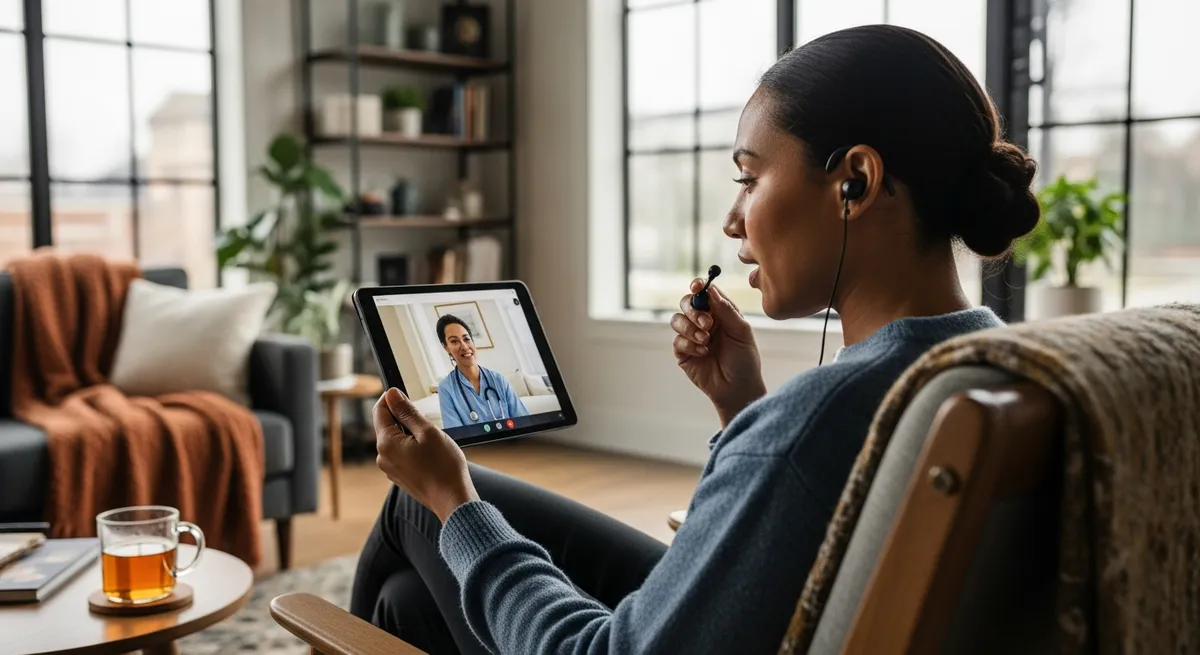
You are likely reading this because you are staring at a glowing screen, wondering if a few specific pills arriving in a plain package can truly solve an incredibly complex life moment. Back in 2021, the FDA permanently scrapped the requirement that mifepristone be dispensed in person, which essentially invited telehealth to the party. (I find it hilarious, in a dark way, that it took a global catastrophe for the government to realize that the mail works perfectly well for essential medicine.) This seismic shift felt like a rare win for logic, though the celebration was brief for many. My friend Sarah, who lives in a state where the local legislature treats adult women as if they cannot read a standard calendar, suddenly found herself in a legal gray zone. If you reside in a state where abortion is restricted, the simple act of receiving a package becomes a high-stakes game of jurisdictional chess. It is not your fault that the map of the United States currently looks like a broken stained-glass window that someone tried to fix with duct tape. There is a peculiar, almost haunting kind of intimacy that occurs over a video call. You are in your bedroom, the doctor is in their office, and you are discussing one of the most private decisions a human can make. (I once endured a telehealth consultation for a mysterious rash where the physician accidentally shared his screen, revealing a grocery list that consisted primarily of kale and profound emotional disappointment.)
The Ghost of Comstock
Various states are currently trying to dig up the Comstock Act of 1873-a dusty, Victorian-era fossil that prohibited the mailing of any materials deemed "obscene" or "immoral." (I find it deeply ironic that we are using nineteenth-century hang-ups to regulate 2026 medicine, but history has a cruel sense of humor.) This law has sat dormant for decades, but it is being dusted off like a cursed antique from a horror movie in an attempt to block the flow of medication. It is a standoff that makes the O.K. Corral look like a playground dispute. My neighbor, a mail carrier named Gary, tells me he just wants to deliver the mail without having to become a self-taught constitutional lawyer in his spare time. I do not blame him. You are caught in the middle, trying to navigate a system that was designed to be difficult by people who have never met you. The legal reality is that the Department of Justice issued a memorandum in late 2022 stating that the Comstock Act does not prohibit the mailing of these medications. But states are still swinging their swords. It is exhausting to watch, and even more exhausting to live through.
Shield Laws are the New Armor
So, how does anyone actually get anything accomplished in this climate? The answer lies in shield laws. States like Massachusetts, New York, and Washington have passed these legislative protections. They essentially tell other states to stay out of their business and their mailboxes. If a physician in New York sends a package to someone in Texas, the New York shield law protects that physician from being extradited or losing their medical license. (I love this kind of high-level bureaucratic defiance; it is the legal equivalent of a middle finger directed at a neighboring state capitol.) Organizations like Aid Access have utilized this specific model to reach thousands of people who would otherwise be stranded. It is a lifeline. It is also a reminder that when the federal government stalls, the individual states start throwing punches. The ethical debate usually centers on "safety," but a 2024 study in Nature Medicine confirmed that telehealth abortion is just as safe and effective as in-person care. The science is settled, but the ethics are still being litigated in the court of public opinion. Is it right to bypass local bans using the internet? That depends on who you ask, but for the person needing care, the answer is usually a resounding yes.
What it Actually Costs
Let us talk about the money, because everything in this world eventually comes down to the money. A traditional clinic visit can cost anywhere from five hundred to eight hundred dollars. That is a significant amount of money for a single parent or a college student working three jobs. Telehealth options frequently range from low-cost financial assistance programs to one hundred and fifty dollars. This is not just about convenience; it is about survival. I have made plenty of expensive mistakes in my life, such as that time I invested my savings in a company that made vegan leather from discarded fruit, but medicine should not be an expensive mistake. The cost of medication abortion through telehealth is a mere fraction of the cost of a surgical procedure. This is the part that scares the opposition. It makes the process accessible. It makes it quiet. And most importantly, it makes it personal. (I once spent more on a single dinner in Manhattan than some of these providers charge for a life-altering medical service.)
The Sovereignty of the Screen
But here is the thing: we must talk about medical sovereignty. This is the idea that you, and only you, should have the final say over what happens to your internal organs. (I am still trying to convince my gallbladder to stop producing stones, but it is a stubborn little organ that refuses to listen to reason.) Telehealth returns a sense of agency to the patient. It places the power literally in your hands. But that power comes with the burden of navigating a system that is actively trying to shut itself down. It is an exhausting way to exist, but for many, it is the only way to move forward. This is the new frontier of medical ethics: protecting the patient's data as fiercely as their body. If you are feeling overwhelmed, take a deep breath. The world is a loud, messy place, but your health is still yours to manage. You are your own best advocate, and that starts with your data and your decisions.
The Digital Paper Trail
We must address the digital elephant in the room. Your internet service provider knows you visited a specific site, and your search engine knows exactly what you were looking for. However, you can significantly reduce this risk by using a VPN and private, encrypted browsers. (I am not saying you need to go full "hacker mode" and wear a hoodie in a dark room, but a little bit of digital caution goes a long way in this century.) Most reputable telehealth providers use secure, HIPAA-compliant platforms to store your medical records. If you are concerned about privacy, keep your digital footprint as small as possible. Delete your search history, use a password on your phone, and avoid discussing your medical care on social media. Your privacy is a wall, and you are the one who decides how high to build it. It sounds like something out of a spy novel, but in the current climate, it is just basic common sense. Use secure messaging applications if you are discussing your plans with anyone. Next, you must vet your sources. Do not just buy pills from a random website that looks like it was designed in 1998. (I once ordered what I thought were designer sunglasses from a sketchy site and received a single plastic whistle; let that be a lesson in caution.) Look for providers that have clear protocols, medical oversight, and a history of reliable service. The medication regimen, involving mifepristone and misoprostol, is a specific science. There is no room for error here. Finally, understand the timeline and remember that you are part of a very large group of people doing exactly the same thing. You are not alone, even if it feels like you are just a person waiting for a package in the mail.
⏱️ Quick Takeaways
The Bottom Line
It is a contradiction that we all have to live with. I do not have a magic wand to fix the laws, but I do know that information is the best tool we have. (I also possess a professional-grade corkscrew that I intend to deploy the very millisecond I finish typing this final sentence.) If you are feeling overwhelmed, take a breath. The world is a loud, messy place, but your health is still yours to manage. Use the resources available, protect your privacy, and trust the science that says you are making a safe choice. We are all just trying to find our way through the fog. Sometimes, that way comes in a plain white envelope, delivered by a person in a blue uniform who has no idea they are participating in a revolution. It is an absurdly strange world, but it is the only one we have currently available.
💡 Frequently Asked Questions
❓ Is it legal to receive abortion pills through the mail?
The short answer surprises most people because it is actually both yes and no. Federally, the FDA has authorized the mailing of these medications, but several individual states have passed laws specifically forbidding it. This creates a "legal gray area" where the risk often falls on the provider rather than the patient, but the situation is constantly evolving in the courts as of 2026. This logistical barrier is what allows the telehealth model to function even in hostile legal environments. You should always research the current laws in your specific state before proceeding.
❓ What is the difference between telehealth abortion and a clinic visit?
A clinic visit typically involves an in-person physical exam and perhaps an ultrasound, while telehealth relies on your medical history and a video or text consultation. However, the clinic offers immediate access to medical staff if you are the type of person who needs that reassurance. Both options are medically sound; it really comes down to which set of logistical hurdles you are more prepared to jump over in your current situation.
❓ How do shield laws protect patients and providers?
The law says that states like Massachusetts will not cooperate with out-of-state investigations, will not extradite the doctor, and will not revoke their medical license for providing legal care under their own state laws. (It is essentially a state saying, "We do not care what your local laws say; our doctors follow our rules.") This provides a layer of legal protection for the medical professionals involved in the process.
❓ What are the primary medications used in mail-order abortion?
The standard process uses a combination of two medications: mifepristone and misoprostol. Mifepristone is the heavy lifter that stops the pregnancy from growing by blocking progesterone. Misoprostol is then taken later to empty the uterus. This two-step process has been used by millions of people worldwide and remains recognized as safe by major medical organizations in 2026.
❓ How can I ensure my digital privacy during this process?
Your privacy is a wall, and you are the one who decides how high to build it. Delete your search history, use a password on your phone, and avoid discussing your medical care on social media. Use a VPN and a private browser to hide your traffic from your internet service provider. Most reputable telehealth providers use secure, HIPAA-compliant platforms to store your medical records, but the initial search is often where the digital paper trail begins.
References
Disclaimer: This article is for informational purposes only and does not constitute medical or legal advice. Laws regarding abortion and telehealth are subject to rapid change and vary significantly by jurisdiction. You should consult with a qualified medical professional and legal counsel before making decisions based on this content.