
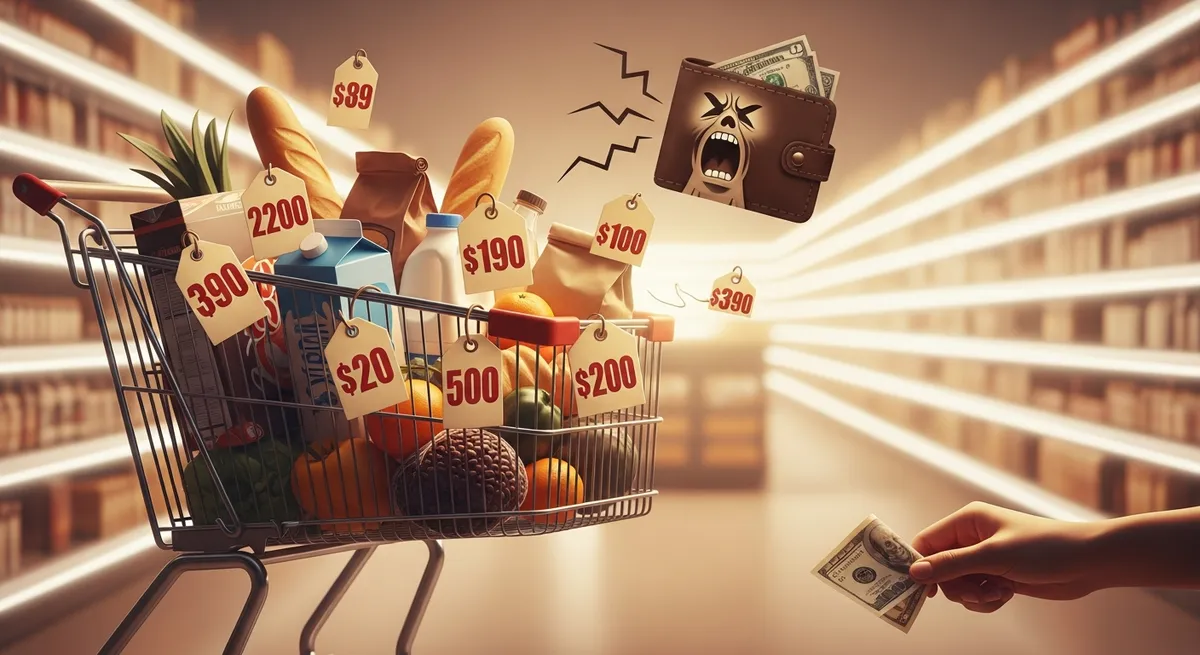
You stand there in aisle four. Box of flakes in hand. Used to be three bucks, right? Now the tag looks like a bad joke. Then the chest pain hits. Not medical. Financial. That sinking realization that money evaporates faster than you earn it. And hey - it isn't just the eggs (though that price is criminal). Look at the used car lots. A beat-up 2014 sedan with a dented bumper costs what a luxury ride did ten years back. You aren't crazy. You aren't imagining it. And you aren't the only one panicking. The whole machinery - the global thing that made stuff cheap and fast - didn't just trip during the pandemic years. It broke. And nobody seems to know how to glue it back together.
The "Aisle 4 Meltdown" (It Is Not Just You)
I almost lost it in the pasta aisle last Tuesday. Seriously.
Staring at a box of noodles that cost as much as a gallon of gas - well, almost as much - is a vibe. A bad one. You probably wondered if the world had actually gone mad, or if you just missed a memo somewhere between the pandemic and now. But here is the thing: the "experts" on TV keep using soft words.
They say "transitory." They say "market adjustment."
Garbage.
Economists love to toss around complex terms like "quantitative easing" or "supply chain elasticity," but those sterile words don't explain why you can't buy a simple appliance without a waitlist that rivals a trendy nightclub. The reality is messier. Weirder, too. (And honestly? It is a bit more terrifying than just "high demand.")
Take the lumber aisle at your local hardware store. Last month, a 2x4 cost one price. Today? Noticeably more. Why? Because a shipping container in Shanghai got stuck behind a paperwork glitch. Or a truck driver in Nebraska retired early. The connections are invisible, but the pain at the register is very real.
We Built a Glass House
Here is the ugly truth that nobody wants to admit at press conferences: We got addicted to cheap stuff. We built a global economy on being cheap, not being resilient. For forty years, companies stripped every spare part, every warehouse, and every safety net out of the system to save three cents on a plastic widget.
It worked great. Until it didn't.
Now? The bill has finally come due. We are paying for decades of "efficiency" with our sanity. We built a glass house. The system was brittle. We just ignored the cracks because Amazon packages kept showing up.
Think about it like this. We built a highway system with no emergency lanes. It was efficient. We used every inch of asphalt for traffic. But the moment one car gets a flat tire - or in this case, a global pandemic hits - traffic doesn't just slow down. It stops. And because there is no shoulder, the tow truck can't get through to fix it. That is the global supply chain right now. A parking lot with no exit ramp.
This is what the industry calls "Just-in-Time" manufacturing. It sounds smart in a boardroom. It means companies keep zero inventory in the back room to save money on rent. But in the real world? It means when you need a part for your furnace in February, it is sitting on a dock in another hemisphere, and there is absolutely nothing you can do about it.
Reality Check: The Paper vs. The Pain
Here is the disconnect. The government tracks rising inflation using a basket of goods that doesn't always match your actual life. They might look at the price of a flat-screen TV (which is cheap) while you are looking at rent and beef (which are not). Call it a magic trick. Or a lie. Technically? Correct. Emotionally? It's gaslighting.
There is another trick they play, too. It is called "hedonic quality adjustment." Sounds fancy, right? It means if the price of a car goes up by $5,000, but the car has a better stereo system, the government might say the price didn't actually go up because you got "more value." Try telling that to your bank account when the monthly payment clears. The money is gone regardless of how nice the stereo is.
And then there is "Shrinkflation." You have seen this. The cereal box I mentioned earlier? It used to be 16 ounces. Now it is 12. The price stayed the same (or went up slightly), but you are getting 25% less food. This doesn't always show up in the bold-print inflation headlines, but it absolutely destroys your grocery budget. It is a hidden tax on your hunger.
Cheating the System (Because You Have To)
So what do we actually do? Curl up and cry? (Tempting, I know. But no.)
Since the cost of living isn't going down anytime soon - sorry to be the bearer of bad news - you have to change the way you play the game. The old rules of "save 10% and buy generic" are dead. They don't work when inflation is eating your savings rate for breakfast.
1. Stop Waiting for "Normal" Normal isn't coming back. That 2019 world? Gone. If you need a car, and you find one that runs and isn't priced like a private jet, buy it. Don't wait for prices to drop. In this market, hesitation is expensive. I learned this the hard way with a washing machine last year. Cost me an extra $200 because I "waited for a sale."
2. Bulk is King (Again) Think back to your grandparents. Fifty pounds of rice in the cellar? They weren't nuts. They were smart. Buying non-perishables in bulk isn't hoarding anymore; it's an investment strategy. If pasta sauce keeps climbing next year, buying it today locks in the current price. Wall Street can't beat that.
3. The "Repair" Economy I hate writing this. I really do. But it's true. Repairs are cheaper than replacements now. Finally. Weirdly. The supply chain for parts is faster than the supply chain for whole units. Pick up a soldering iron. Seriously. Learn to sew. Or buy a beer for a mechanic friend.
4. Barter Like It's 1899 This sounds desperate. Maybe it is. But community bartering is making a massive comeback. I have a neighbor who is a wizard with drywall; I help him with his IT issues. No cash changes hands. The IRS doesn't get involved (well, mostly). And inflation doesn't touch the transaction. Your skills are the only currency that can't be devalued by the Federal Reserve. If you can cook, build, fix, or code, you have purchasing power that exists outside the broken dollar system.
"When Does This Nightmare End?"
That's the big one.
Everyone asks it. "When do prices go back down?"
Here is the cold shower: They usually don't. Prices rarely reverse; they just stop going up so fast. That $15 burger is probably here to stay. (I know. It sucks.) The goal now isn't to wait for the past to return - it's to bulletproof yourself for the future. The economic collapse doom-mongers on YouTube want you to buy gold and hide in a bunker. I just want you grabbing two jugs of detergent when they go BOGO.
There is a concept in logistics called the "Bullwhip Effect." Imagine flicking a long whip. A small movement of your wrist creates a massive wave at the end of the whip. That is our economy right now. Small changes in demand - like everyone deciding to buy a new sofa at the same time - create massive chaos at the factories. Until that whip stops moving, prices are going to keep snapping back and forth. It takes years to settle down.
FAQ: The Stuff You Actually Ask
Is it just corporate greed?
Partly? Sure. Companies love an excuse to raise prices. It's a cocktail. Part greed. Part reality. Messy. Fuel is up. Labor is up. Insurance is up. Blaming greed feels good. I get it. But it misses the scary part: the system broke.
Should I be hoarding cash?
Cash loses value every day inflation is high. (Think about it.) You need cash for emergencies, obviously. But stuffing cash under a mattress? When inflation runs hot? You are literally lighting that value on fire. That isn't saving. That's bleeding.
Will it fix itself soon?
Maybe. Hopefully? Trackers like the New York Fed's Global Supply Chain Pressure Index show supply chains unsnarling from their pandemic peaks. Ships are moving. But the labor shortage is the new bottleneck. We have the stuff, just nobody to drive the truck to bring the stuff to your house. So don't hold your breath. Seriously.
Will wages ever catch up to these prices?
Eventually? Probably. But wages are like a tortoise racing a hare. Inflation sprints ahead instantly when prices jump. Paychecks crawl behind, usually taking 12 to 24 months to adjust. By the time your wage catches up, you have already spent two years paying the higher prices. That gap is where the pain lives.
Is this happening everywhere or just here?
It is global. Actually, in some places, it is worse. The UK and parts of Europe are seeing energy costs that make our gas prices look like a bargain. Since we buy stuff from everywhere, their inflation eventually becomes our inflation. We are all stuck in this glass house together.
Disclaimer: This article is for informational purposes only and does not constitute financial advice.


